
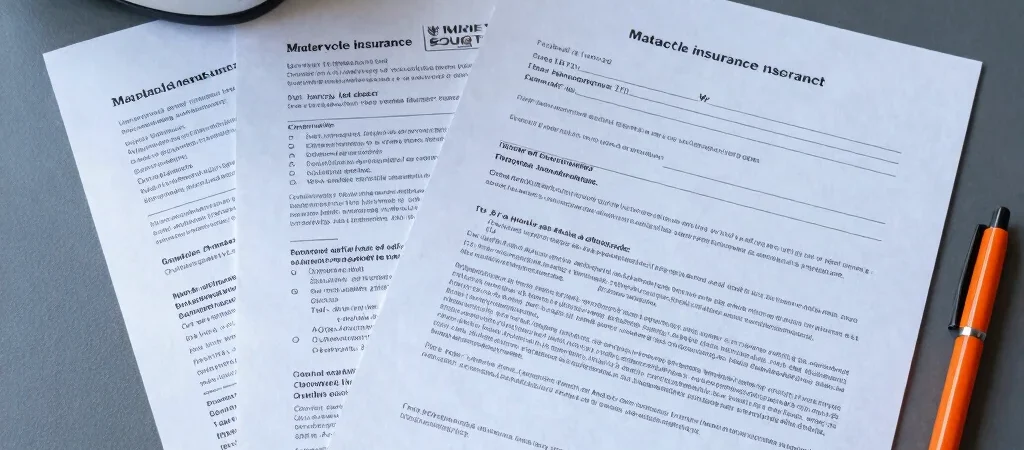
Two policies can use similar guarantee names and still set out different conditions. Before focusing on the headline cover, find the parts that explain what is excluded, what you may have to pay, and when assistance applies. This ASSUMOTO guide is independent information, not an insurance offer.
Find the exclusions
An exclusion describes a situation or loss that the policy does not cover. Read it alongside the guarantee it limits, rather than treating a heading such as theft or damage as a promise that every related claim will be paid. If a clause is unclear, ask the insurer to explain how it applies to your vehicle and intended use.
Understand the deductible
A deductible is the amount that may remain your responsibility after a covered claim. The contract determines its amount and application, which may differ depending on the type of claim or the circumstances described in the wording. Check the relevant claim sections rather than assuming one deductible figure applies everywhere.
Check assistance conditions
Assistance is not a single standard service: the contract states when it can be used and what it includes. Look for the situations covered, any conditions that apply, and how to request help. If the wording points to a limit or exception, make a note of it before relying on the summary.
Use current information
For French legal requirements, consult current official information such as Service-Public.fr; for the protection attached to a particular policy, consult its current terms. Regulations and policy wording can change, so an older explainer cannot replace the documents in force for your contract. Keep one practical habit: compare the exclusions, deductible, and assistance conditions—not just the guarantee names.